
How a stress test on oysters could open new avenues for human health
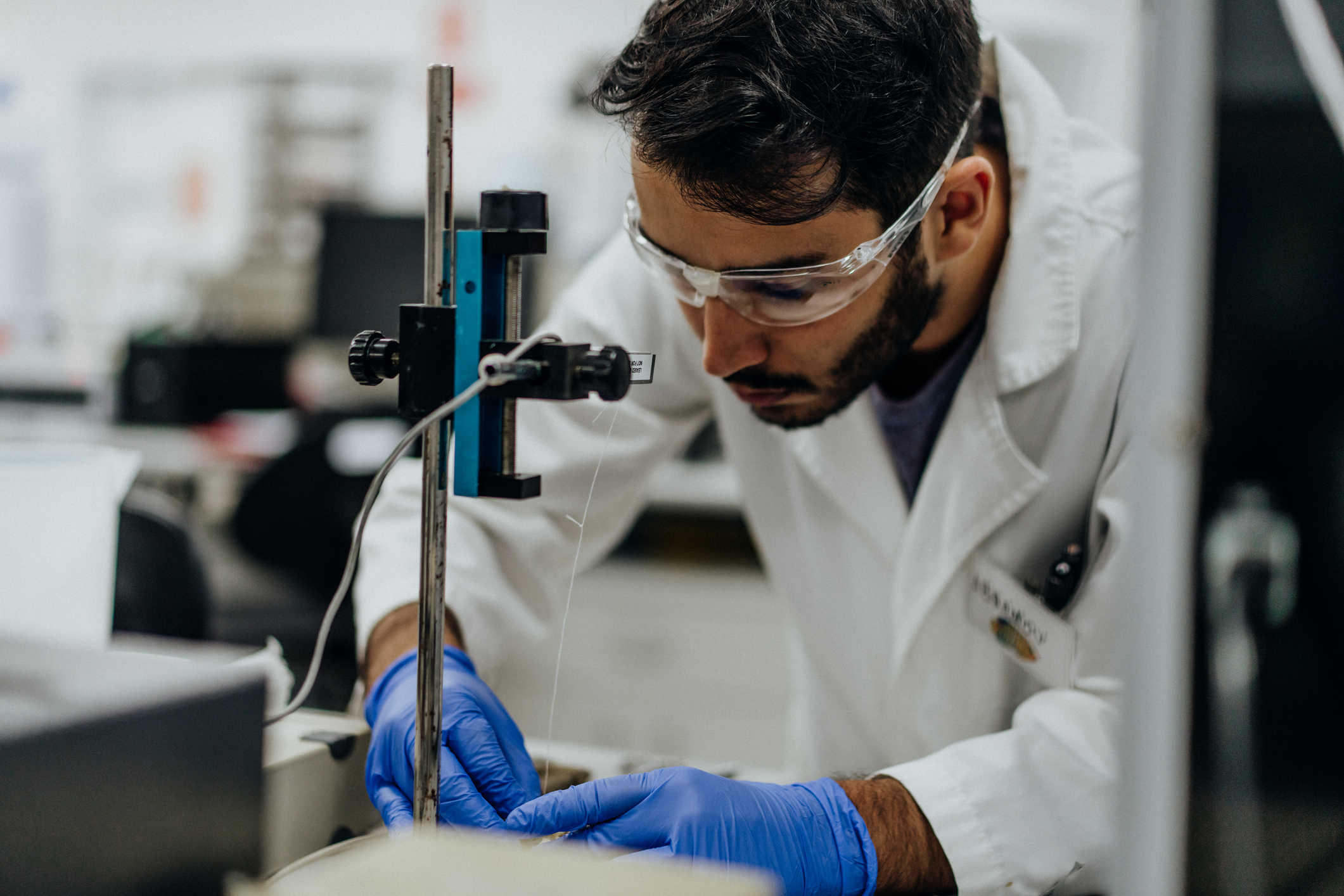
Researchers from the University of the Sunshine Coast may have found a new way to treat heart health and immune function in humans, from a very unusual source.
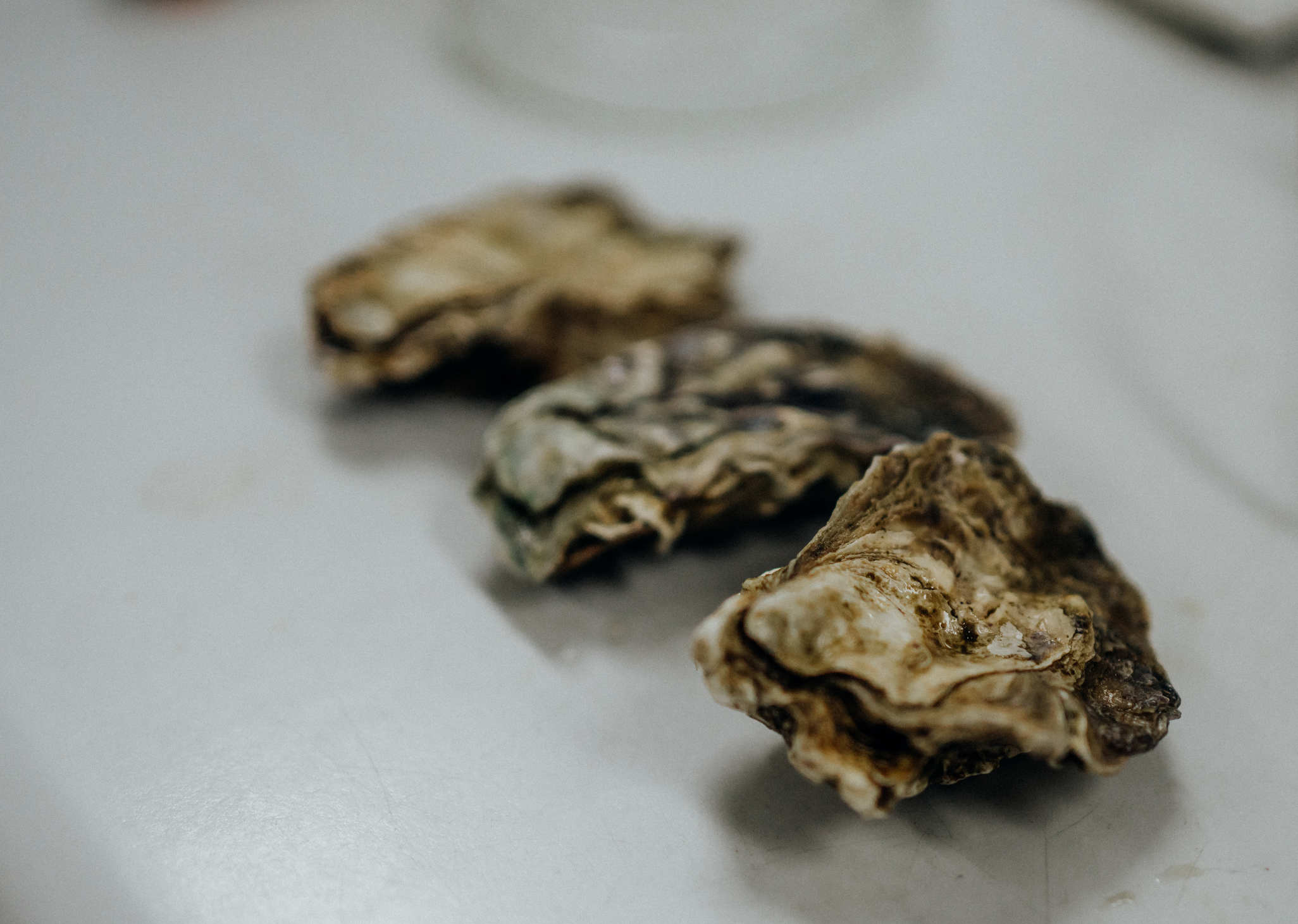
Lead researcher Dr Tomer Abramov, Professor Abigail Elizur and others from UniSC’s Centre for Bioinnovation were exploring the effects of the naturally occurring hormone (Teneurin C-Terminal Associated Peptide, or TCAP) on Sydney rock oysters when they discovered something unexpected.
“The idea of using TCAP on oysters was to eliminate stress during the growth period, so they can conserve that energy for growing instead of wasting it combatting distress,” Dr Abramov said.
That part worked exactly as planned.
What they didn’t anticipate was how wide-ranging TCAP’s anti-stress effects were.
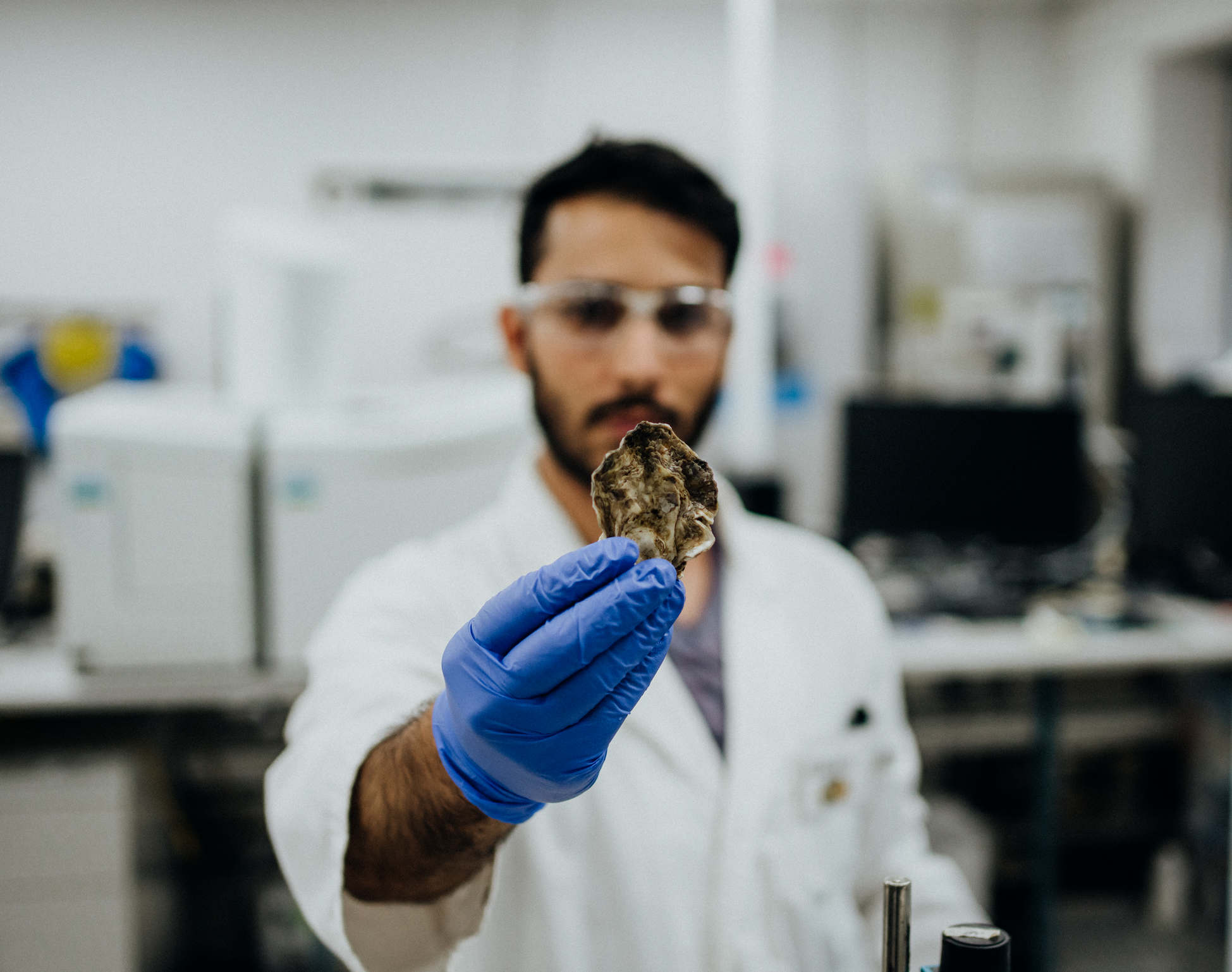
“What we found was quite surprising,” Dr Abramov said.
Professor Elizur added: “We showed for the first time that TCAP can prevent stress by impacting the oyster's immune system. When we gave oysters a very small amount – imagine a twelfth of a grain of salt – and stressed them, their immune cells behaved as if the oyster was not stressed at all."
Dr Abramov said TCAP slowed their heart rate down by more than 50 per cent and lasted about 40 to 50 minutes.
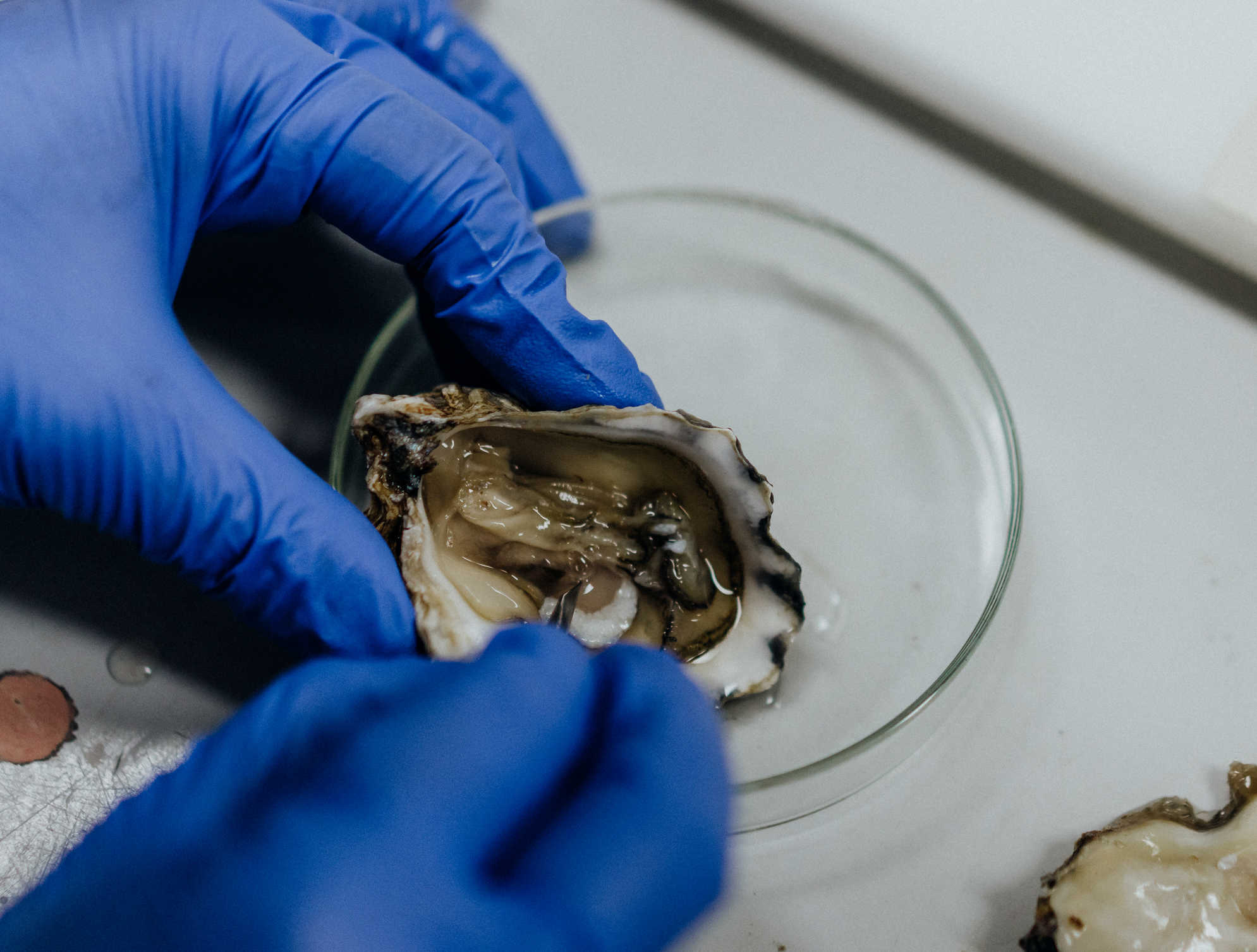
“Not many people are even aware that oysters have a heart. We practically had to invent an oyster heart monitor to measure it,” Professor Elizur said.
But what does all this mean for humans?
“Not only are there implications in aquaculture, but what’s more profound in my opinion is using this and translating it to higher animals, and in human biomedicine,” Dr Abramov said.
Due to TCAP being an ancient and ‘highly conserved’ hormone in evolutionary terms (it exists in basically all animals except jellyfish and sponges) its function and effects in other animals is likely similar.
“Currently, TCAP is being studied in human clinical trials to help treat depression, anxiety and control glucose levels (anti-diabetic). Our studies show that TCAP can do much more,” Professor Elizur said.
Dr Abramov added: “From treating heart conditions to diseases affecting immune function, this opens up new avenues for research in both veterinary and human clinical use."
More works needs to be done to explore the viability of treating such conditions with TCAP, but its potential in aquaculture is apparent.
“Oysters can also get stressed, in aquaculture from handling or in the wild from pollution and natural events," Professor Elizur said.
"Stress can badly affect oysters, including their reproduction.
"A natural compound that could reduce their stress would have meaningful applications in aquaculture, to simply 'relax' the oysters so they could focus their energy on growth and reproduction."
Subscribe to our free daily news feed. Go to Subscribe at the top of this story and add your name and email. It's that simple.