
Students take their bold seaweed proposals to design summit in New \York
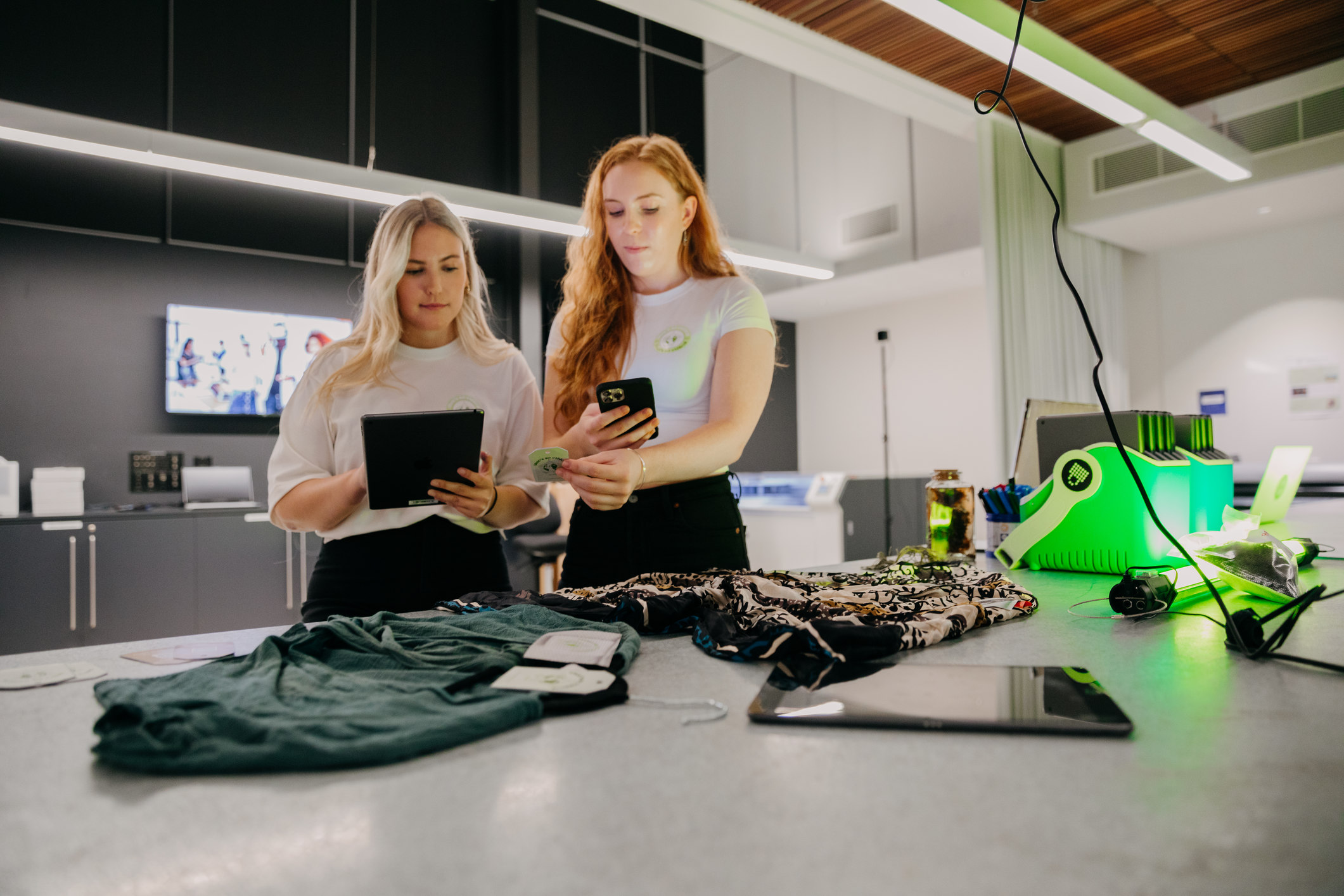
A recyclable seaweed fabric to fight fashion waste and a vertical plant growth kit that texts its owner to top up water have put University of the Sunshine Coast design students on the global stage.
The proposed seaweed clothing business and the aeroponics plant kit, created by two teams of Design Futures students, have been selected as finalists for the Biodesign Challenge Summit in New York City this month.
The annual summit includes 500 students from 15 countries, competing for prizes and exhibiting at the NYC Museum of Modern Art, either attending in person or participating online.
Dr Leah Barclay, whose course encourages students to use physical and digital design principles to solve real-world challenges of the future, said UniSC was making its impact.
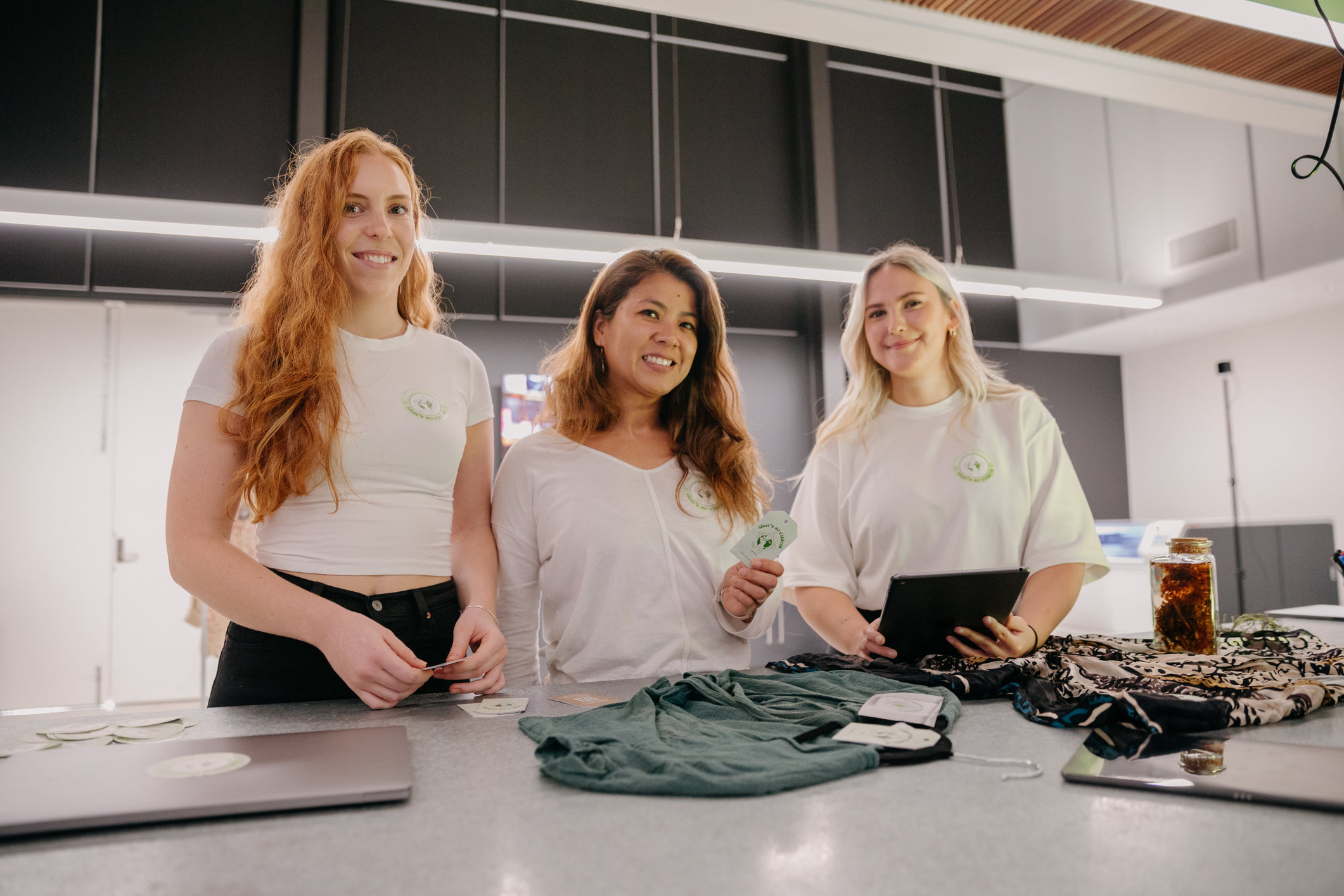
“The University of the Sunshine Coast is the only university in Queensland to have a team in the finals, let alone two,” she said.
“Biodesign is essentially design inspired by the environment and natural processes.
"This is an incredible opportunity for students to collaborate on solving a global problem and to think deeply about the impact they can have through design.”
Representatives of the UniSC teams will present their two concepts online.
The first, That's So Ethical, is aimed to change not only your wardrobe but our planet.
Students Kirsten Evans, Grace Erickson and Marcia Grimm collaborated on the project.
“We created this company concept to combat fast fashion and over-consumption in a sustainable and creative way,” Ms Evans said.
“Fashion waste is responsible for more annual carbon emissions than all international flights and maritime shipping combined.
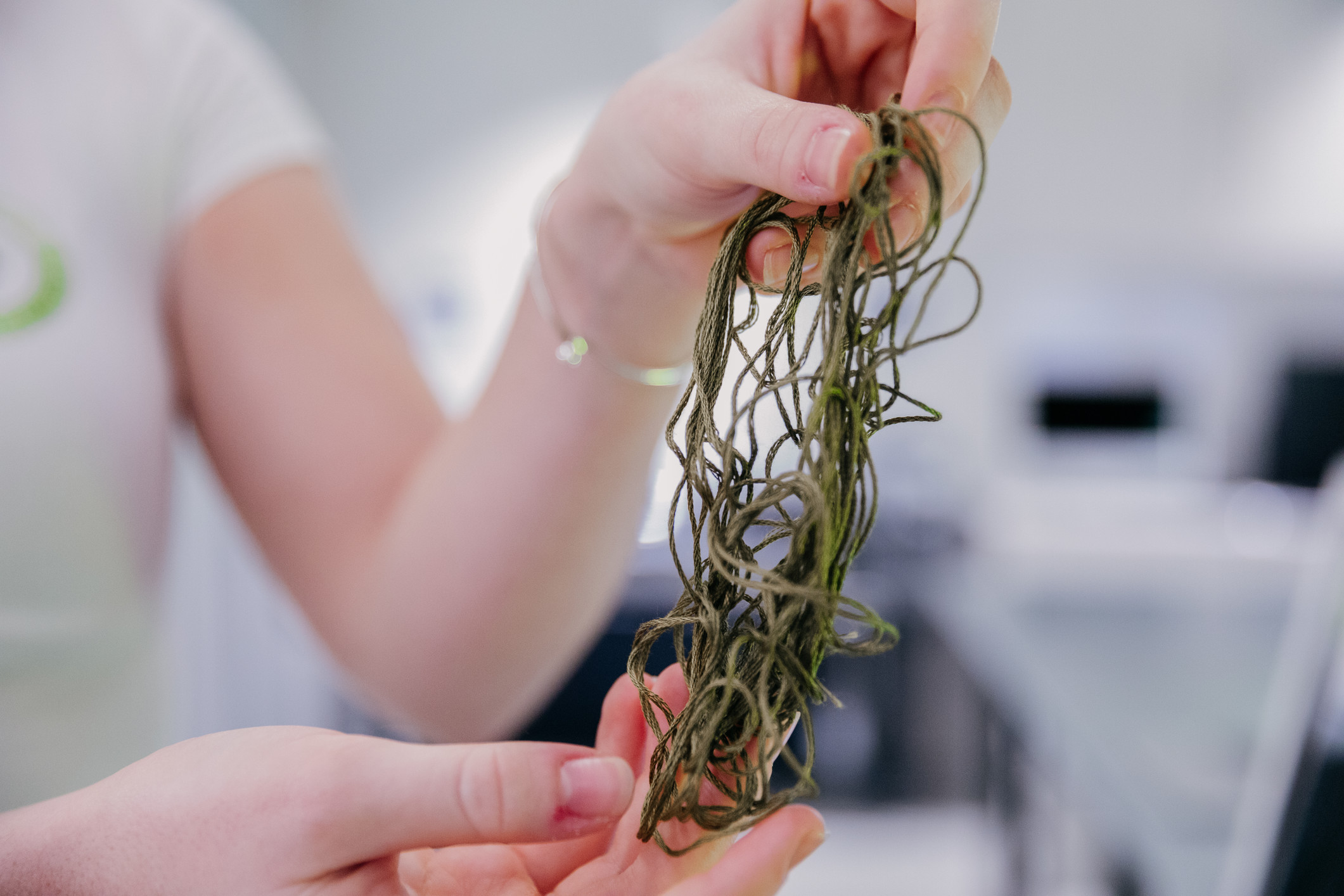
“We decided to use seaweed to create a filament or fibre that can be manufactured into clothing that can also be regenerated into new, customised clothing.
“Seaweed growth is cultivated across the planet, removing more and more carbon dioxide from the atmosphere.
“At the end of an item’s life cycle, the seaweed fibre can be recycled for use in biofuel production or soil erosion control.”
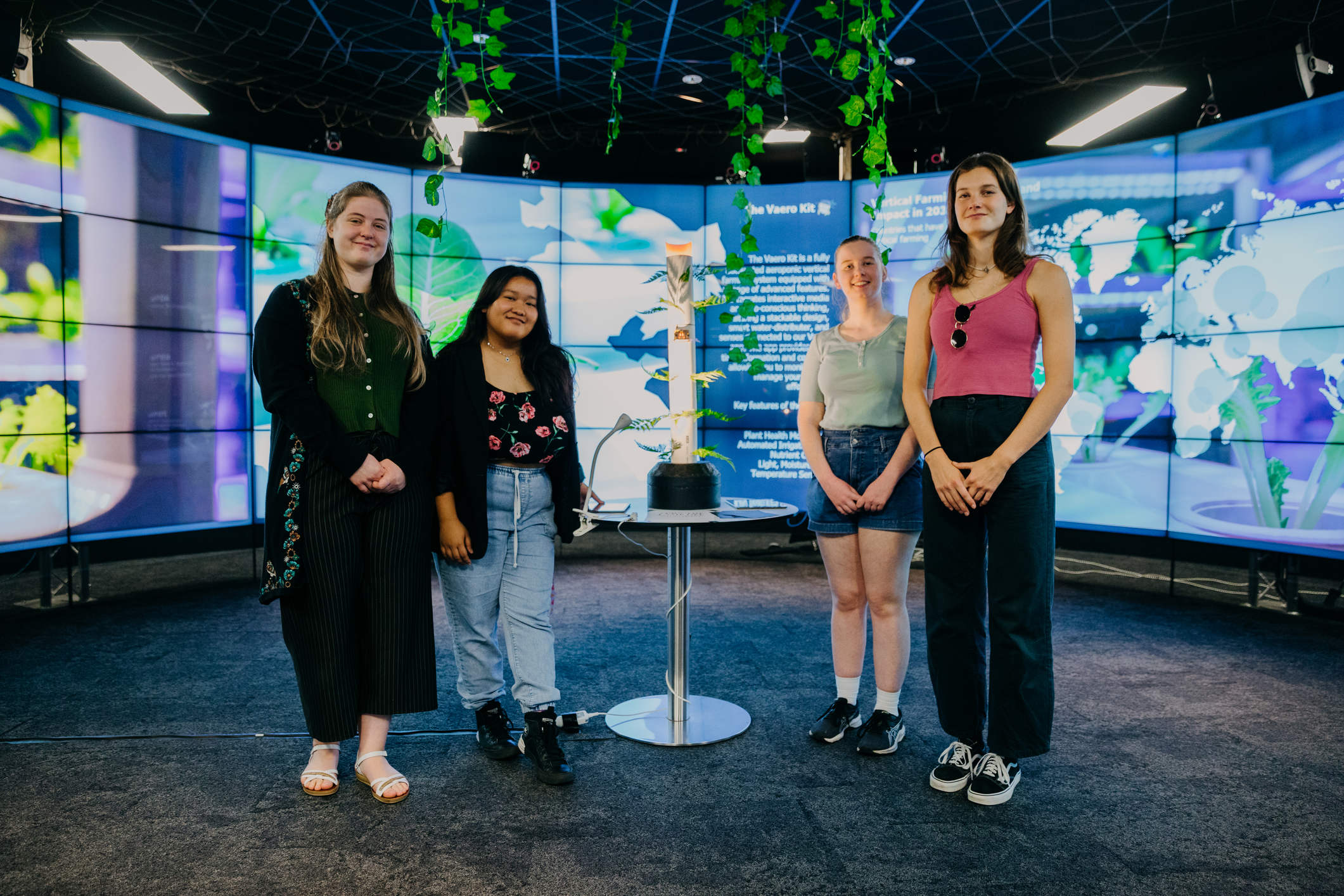
The second idea, Vaero, is a vertical aeroponic farming kit to help the environment by helping people to enjoy growing plants.
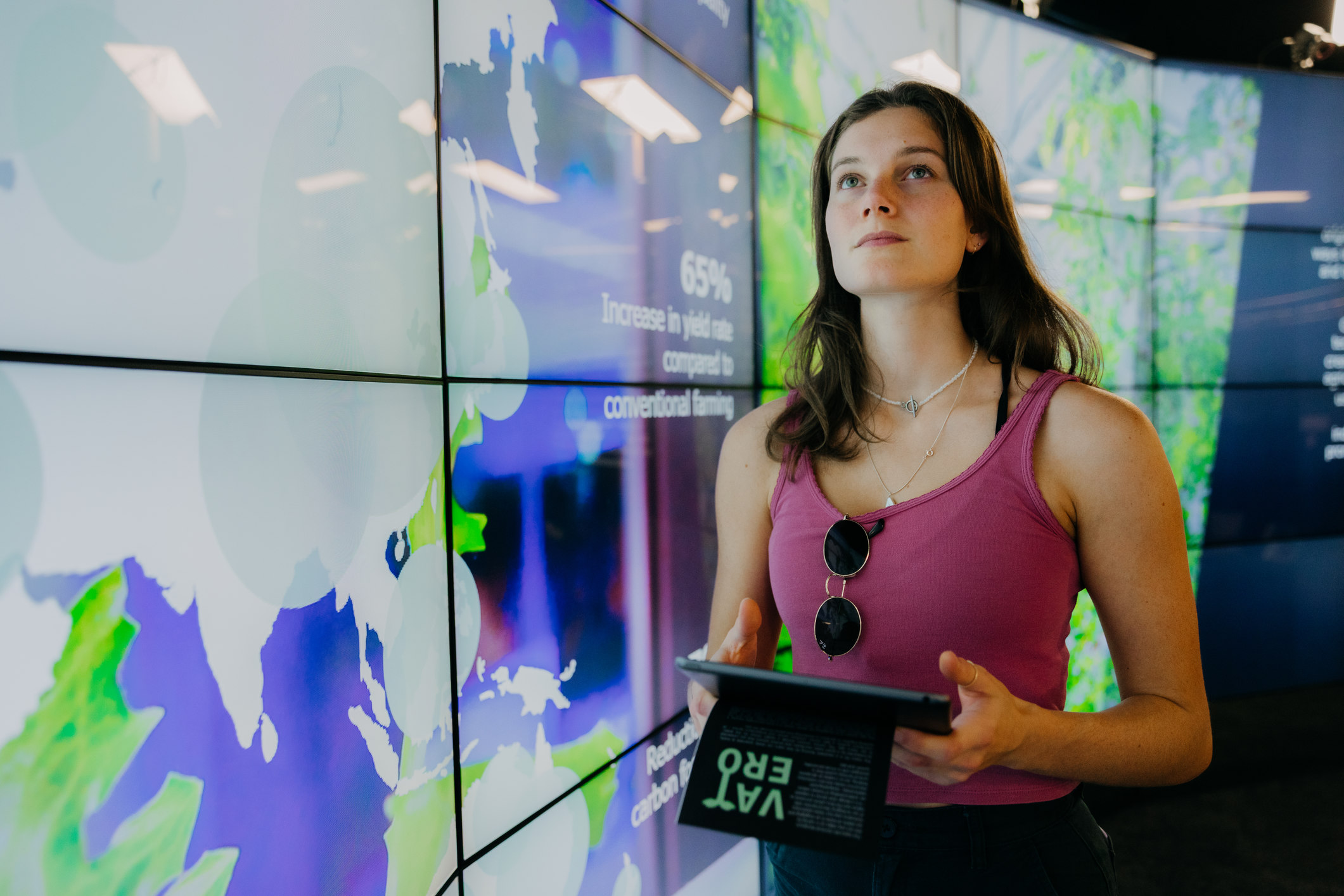
Lhea Hermosa, Kacey Lewis-Driver, Maddison Simpson, Melissa Hartwell and Kimberley Berkendoff collaborated on this project.
“We’ve built a prototype of an interactive, stackable farming kit that can be easily assembled at home,” Ms Hermosa said.
“Vertical farming is a way to grow plants without soil – using less water, resources and pesticides – and the Vaero kit aims to tackle people’s ecological disconnection with nature as well as wider problems such as food supply and air quality.
“The kit comes with a virtual personality system, sensors and an app to help people navigate the condition and growth of vegetables such as lettuce, kale and spinach.
“It sends notifications when the plant’s needs are not met. For example, if a weight sensor reaches the lowest measurement, the kit texts the owner to refill the water.
“The screen interface acts as a literal face – showing smiles and glowing rainbow colours when the plant is growing happily under optimal conditions; and showing frowns and blue when two or more sensors record unsuitable measurements.
“We want people to grow and care for plants in an enjoyable way at home. It’s especially for people like me who don’t really know how to grow veges – I have a cactus.”
Do you have an opinion to share? Submit a Letter to the Editor at Sunshine Coast News via news@sunshinecoastnews.com.au. You must include your name and suburb.